
Air/soil/water
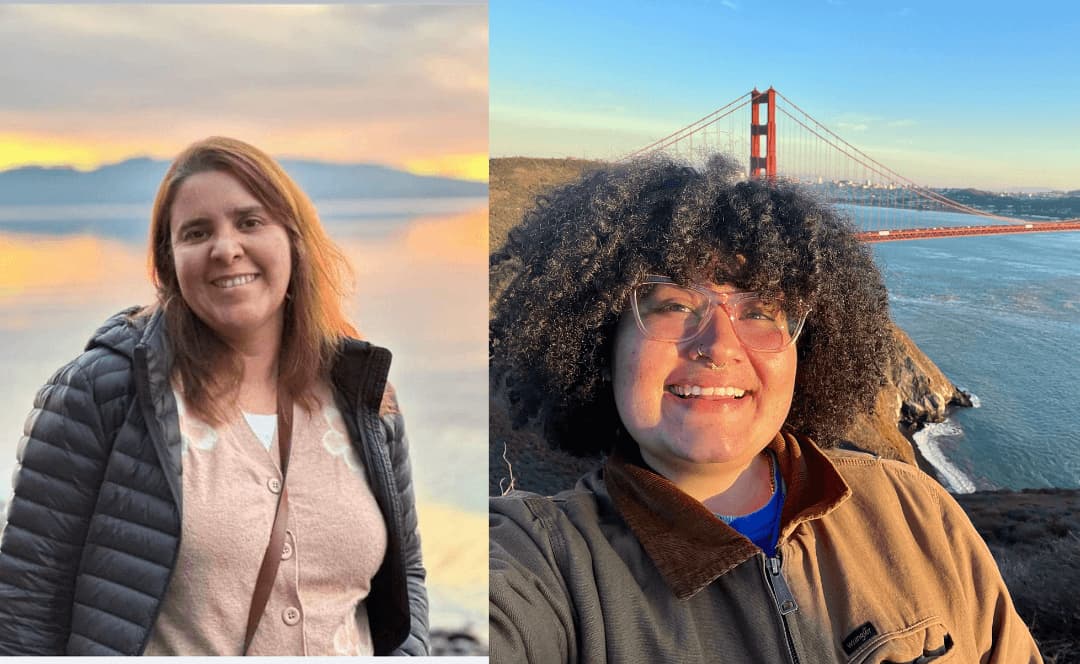
Neighbors Build Climate Resilience in Their Watersheds
We speak with guests from the Watershed Project, an organization protecting and restoring our landscapes that drain into waterways: creeks, rivers, and the San Francisco Bay. We’ll learn how they work with thousands of neighbors to envision, build, and celebrate “green infrastructure” and clean water projects that use nature-based solutions, such as trees and native plants. Teachers and young people benefit from their education and internship programs.
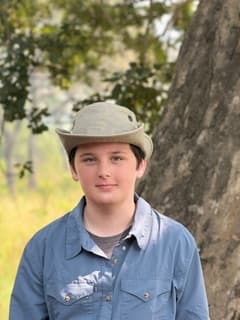
Partner Interview: ‘We the Children’
In this special episode, we speak with the 12-year-old host of another climate podcast – called ‘We the Children’. Our guest, Zach Fox-DeVol, discusses what inspires him to engage other kids. We get to hear an excerpt of his podcast episode on our oceans and plastic pollution. He also suggests how kids can get involved.
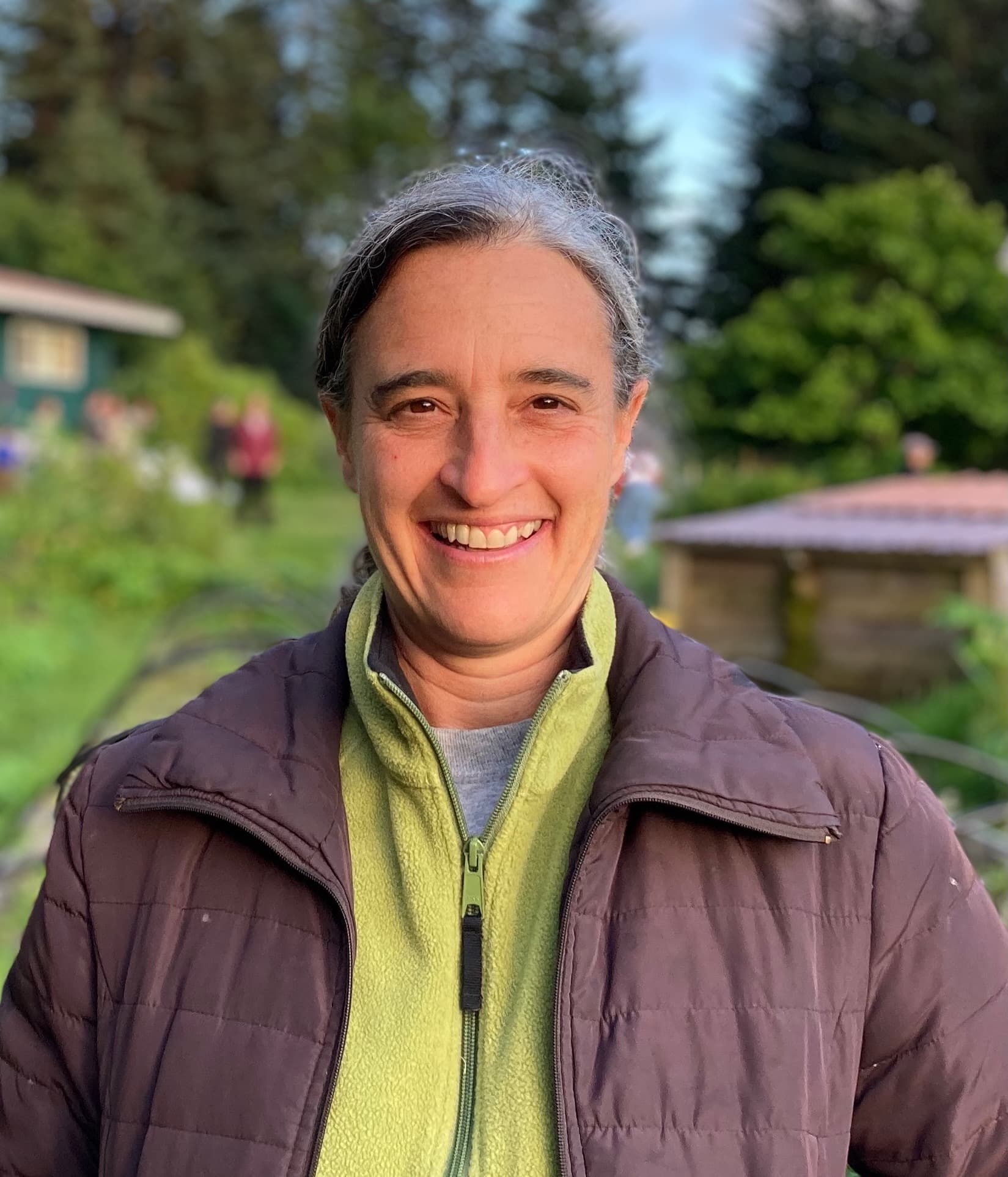
Raising Children During the Climate Crisis
We discuss the personal impact that climate change-fueled fires had on our guest and her young child. She also explains, from a therapist’s perspective, the steps parents (and others) can take to deal with the growing problem of climate anxiety in themselves and in their families. We share many helpful resources.
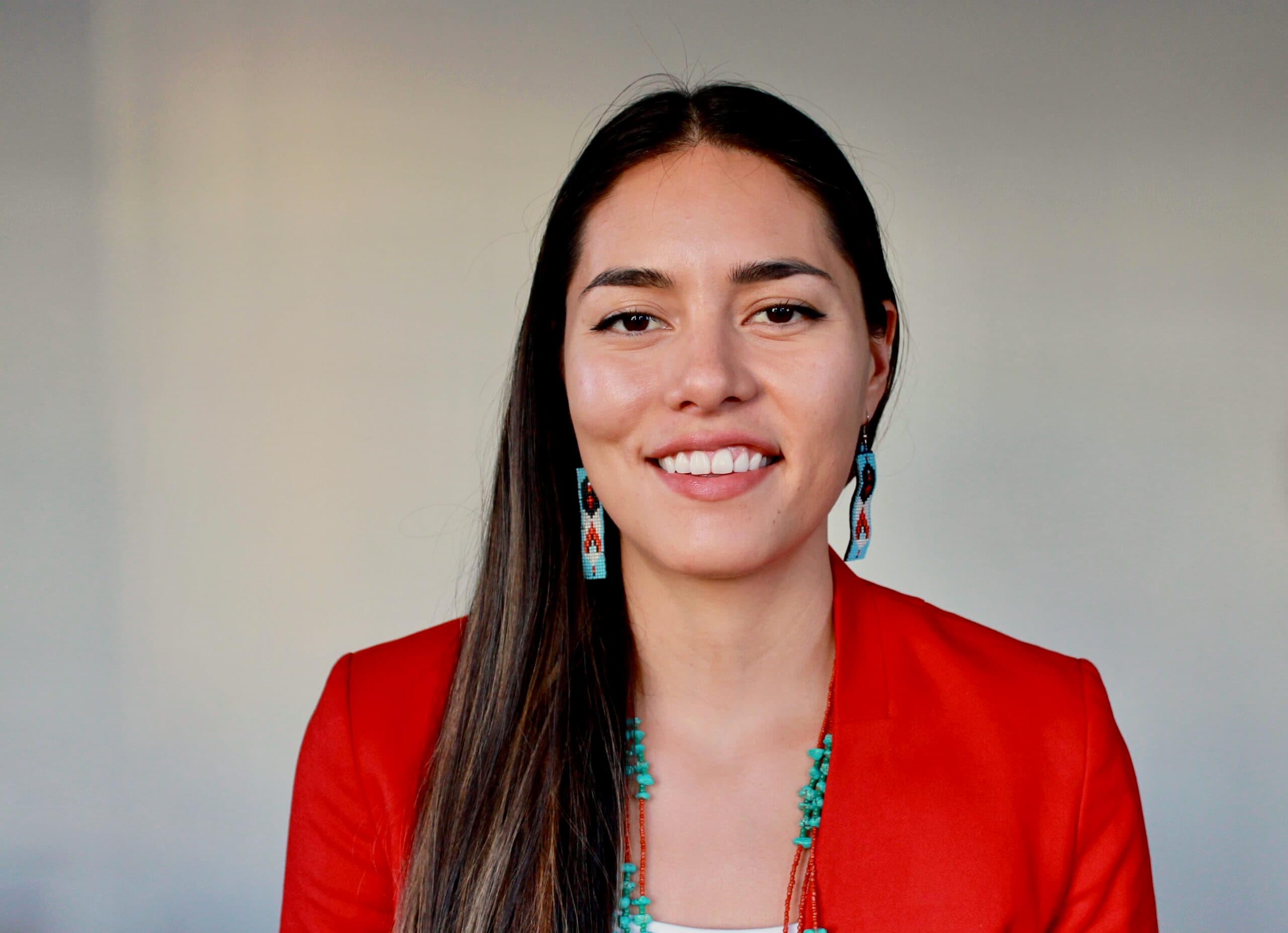
Indigenous-Led Climate Justice
We speak with Shaandiin Cedar, a tribal member of the Navajo Nation and an advocate for indigenous-led climate action. Shaandiin discusses how Indigenous communities can help lead the way to addressing our climate crisis. We learn about the intricacies involved with climate justice for Native peoples, including both climate impacts that are already happening and avoiding or lessening future harms.
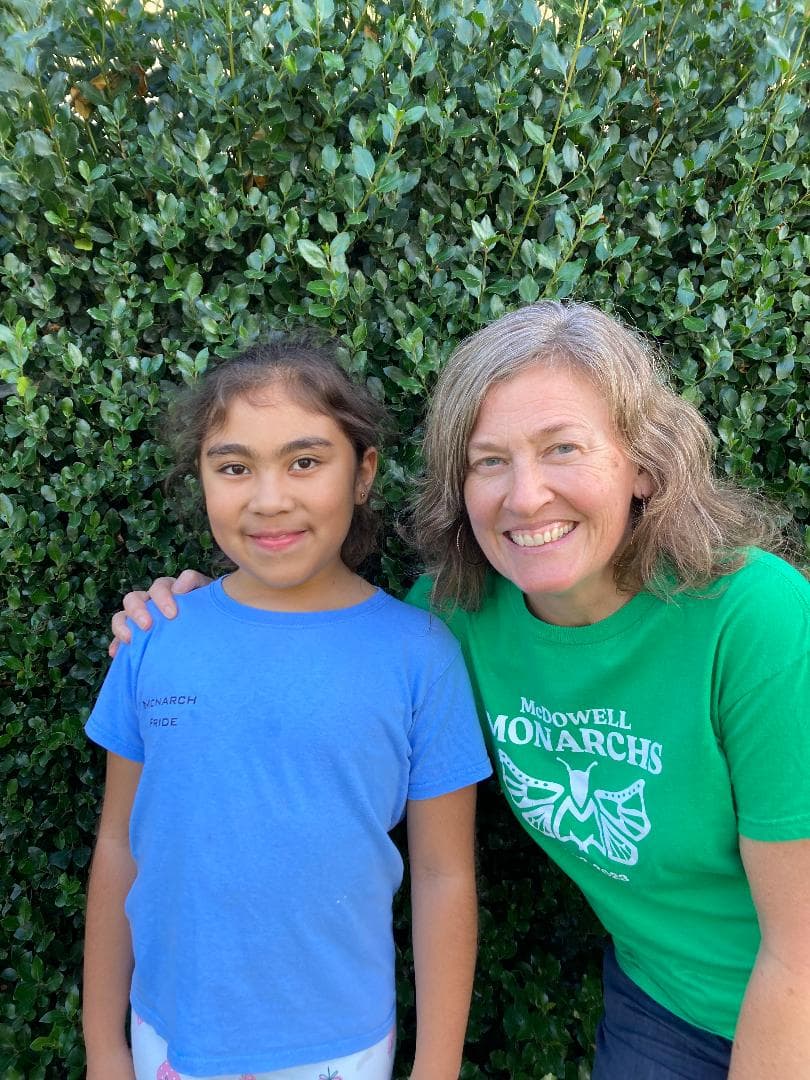
Hands-On Climate Education and Action In Elementary Schools
We explore hands-on climate education and action at elementary schools: featuring McDowell Elementary in Petaluma, CA. Third grade teacher Angela Werner has incorporated a slew of climate education activities into her curriculum – from creek restoration to visiting local wetlands to cultivating a school garden. She and her former student, Sherlyn Deras Ramos, reflect on their experiences and encourage other schools to get involved in nature-based programs.
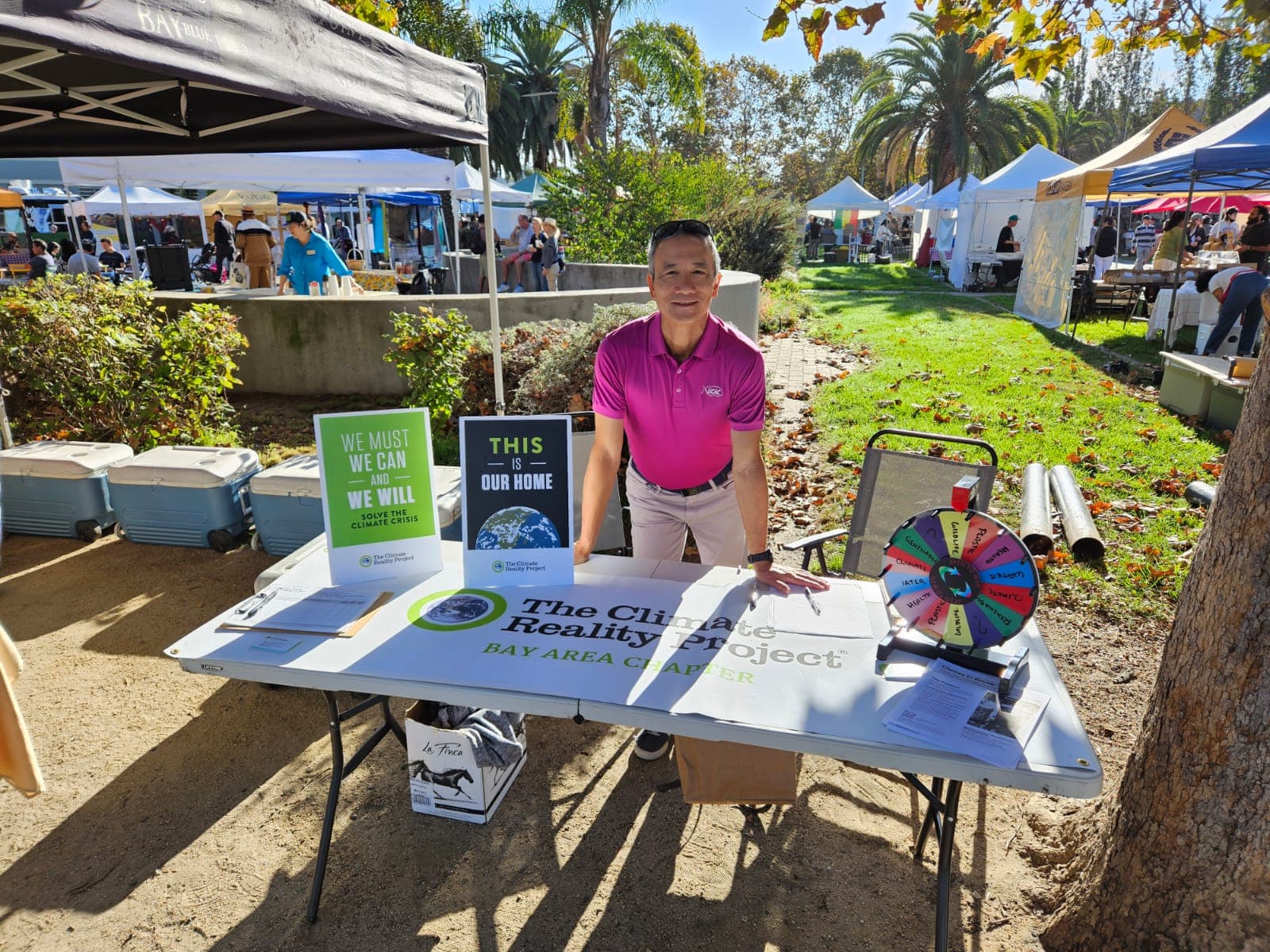
Reducing Plastic Pollution in Oakland
We discuss proposed legislation to drastically reduce plastic pollution in Oakland, CA. As demand decreases for fossil fuels as a power source, the production of plastics is actually *increasing*. But California is pushing back. As a member of Reusable Oakland, our guest explains the proposed city ordinance to limit food and beverage containers, and his own story of why he works so passionately on this issue.
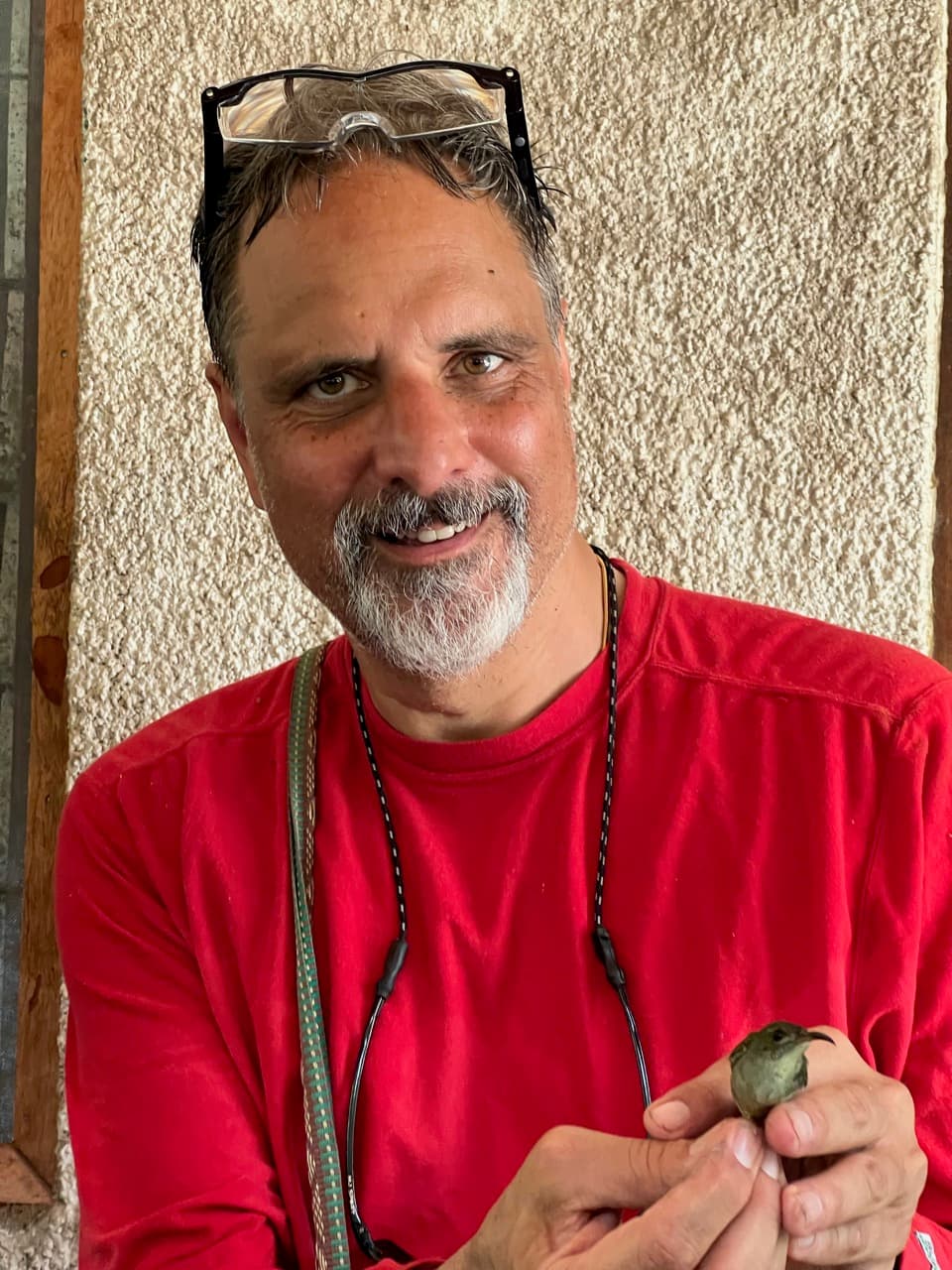
Plant-Based Diets: A Climate Solution Right on Our Plates
We speak with Ravinder Sehgal, Board Member of the San Francisco Veg Society and biology professor. We learn about why and how eating more plant-based food can decrease our negative impact on the climate. We discuss deforestation, greenhouse gas emissions, misuse of energy, land and water, and more. Ravinder also shares everyday tips for how Read More
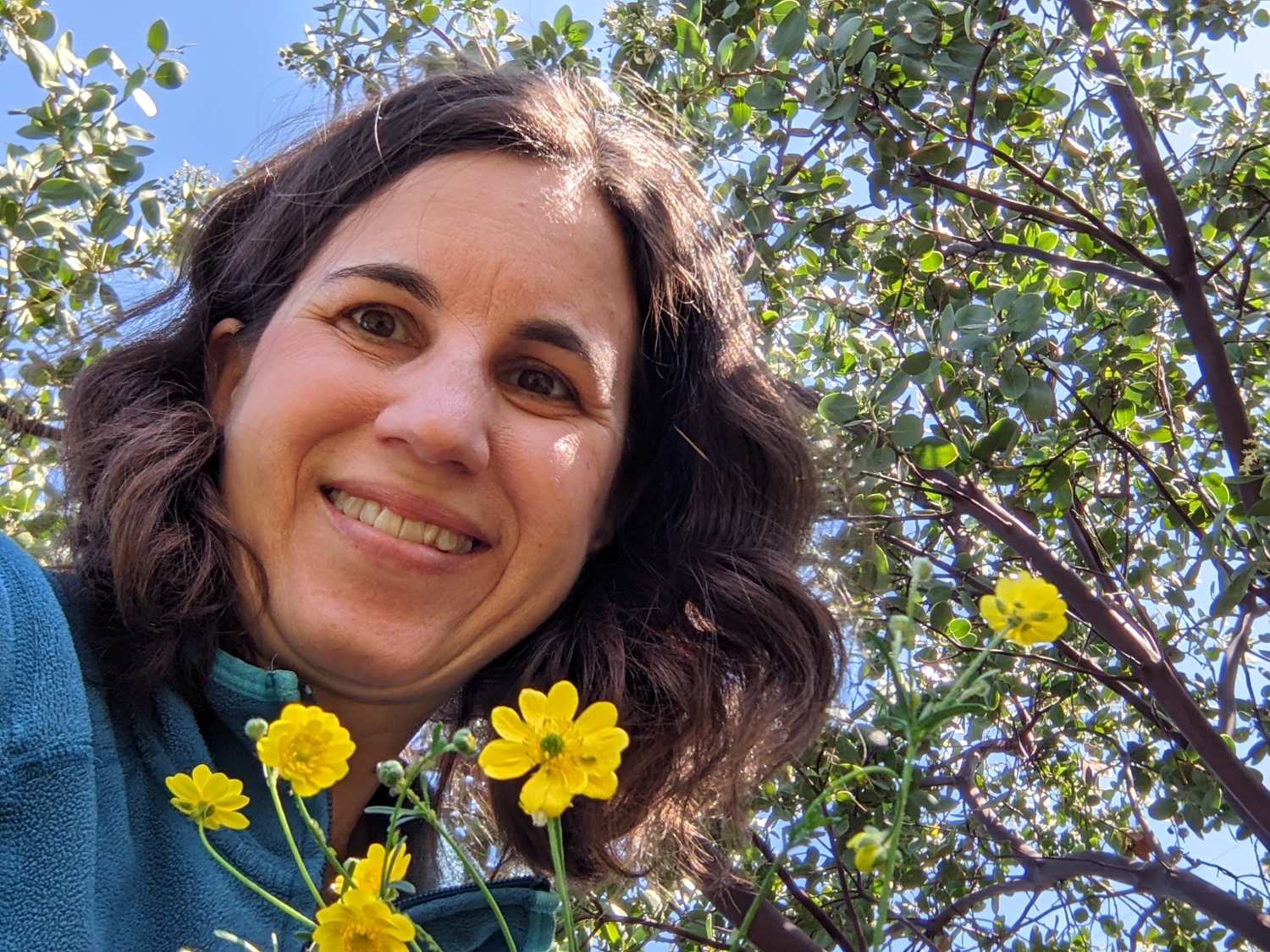
Adapting to Droughts During the Climate Crisis
We meet landscape designer Stephanie Morris, as she discusses what people can do inside and outside of their homes to adapt to droughts. She has a myriad of helpful ideas for how native plant gardens and mindful water usage can make a real difference when it comes to a precious resource we all need: water.